
By BRAD SANT
Highway construction workers are vulnerable to many dangers, from speeding motorists on one side of the traffic cones to large equipment on the other. Buried or overhead utilities are hazards. So are extreme temperatures, and slips, trips, and falls. Up to 220 workers are killed annually in transportation project sites, while thousands more are injured.
But the numbers themselves also present a danger if they fail to reflect the realities in the work zone. That’s because accurately understanding the scope and complexity of any problem is essential to finding its solution.
For years, ARTBA has challenged the data reported to and by federal agencies as incomplete. For example, the National Highway Traffic Safety Administration (NHTSA) tracks the number of workers killed by motorists’ vehicles, but such deaths are classified with other types of fatalities and counted as ‘pedestrians.’
On the other hand, the U.S. Bureau of Labor Statistics (BLS) attempts to account for every worker death but finding transportation construction fatalities is difficult. It requires searching across multiple categories of workers to find all those on transportation construction projects. And the categories can overlap with worker deaths in other areas, such as electrical workers installing signs or lighting.
Now, the Infrastructure Investment and Jobs Act (IIJA) directs state and federal agencies to address safety hazards for ‘vulnerable road users’ (VRUs), which by statutory definition includes roadway workers. When the U.S. Department of Transportation (U.S. DOT) sees data with a high number of ‘pedestrian’ fatalities, however, it is not necessarily considering that a sizable portion of those ‘pedestrians’ are roadway workers, as reported by NHTSA.
In two U.S. DOT meetings about VRUs earlier this year, ARTBA reminded agency officials that roadway workers should be considered in the data. Workers were not reflected in the VRU materials distributed by U.S. DOT.
Good Data
The hazards of murky data reporting about vulnerable highway workers needs fresh attention. The increased highway investment from the IIJA will result in a significant growth in project sites and with it, comes increased risk exposure for workers.
Since the November 2021 passage of the IIJA, ARTBA has communicated regularly with U.S. DOT Secretary Pete Buttigieg and agency leadership advocating for recognition of workers as VRUs and a distinct strategy to keep their workplaces safe.
These efforts, coordinated through ARTBA’s Safety Forum, have included letters, conversations with senior agency officials, and participation in stakeholder meetings. We have organized several industry coalition activities to reinforce this message. In May, ARTBA senior staff met with NHTSA and BLS officials to seek opportunities to improve the collection and reporting of information about our industry.
As a result of those discussions, ARTBA is working with the agencies to better identify roadway workers among their data sets and ensure workers are counted and reported in a uniform manner. The desired outcome is to more accurately quantify the dangers and challenges our industry faces with worker fatalities and injuries in order to direct additional resources to address them.
Brad Sant is ARTBA’s senior vice president of safety and education. This story appeared in the May/June issue of ARTBA’s Transportation Builder magazine.

Related News
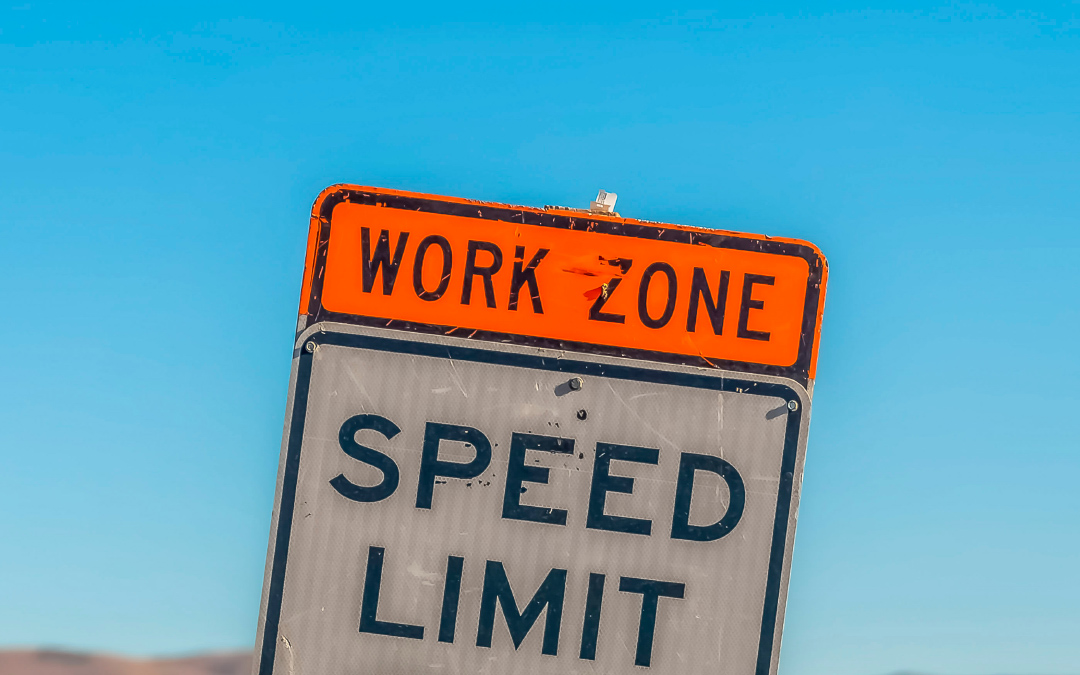
Maryland Proposes Bigger Fines for Speeding Through Road Projects
What happened: Hoping to enhance highway worker safety, Maryland Lt. Gov. Aruna Miller Jan.…
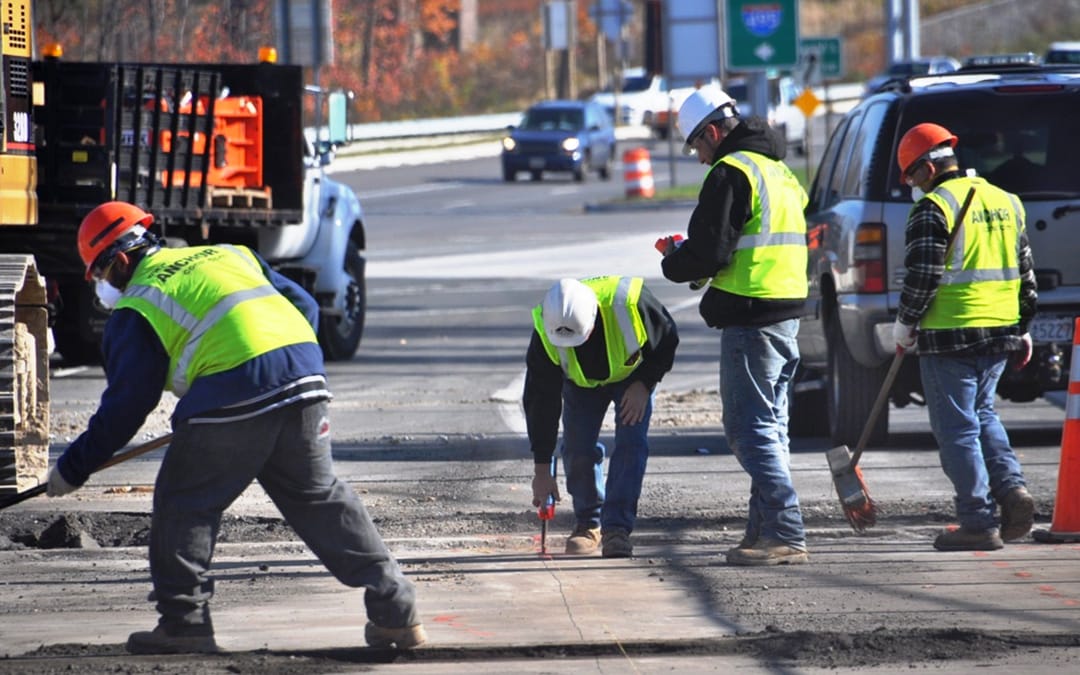
Bigger OSHA Penalties for Safety Violations
What happened: The Occupational Safety and Health Administration (OSHA) Jan.11 finalized adjustments to the monetary penalties…
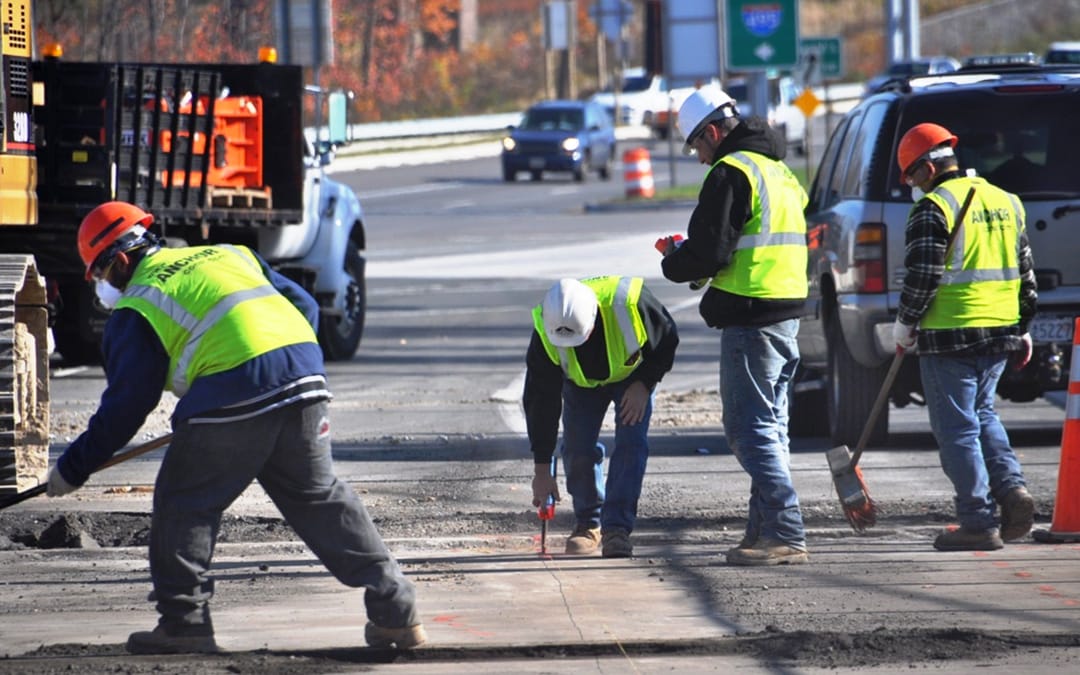
ARTBA Recommends More Streamlining of Proposed FHWA Safety Regulations
What happened: ARTBA Nov. 20 commented on the Federal Highway Administration (FHWA) proposal to amend rules governing…