
What happened: The U.S. Supreme Court June 30 ruled 6-3 that the Environmental Protection Agency (EPA) does not have the authority to enact regulations aimed at shifting power plants away from coal-generated electricity.
Why it matters: While West Virginia v. EPA concerns stationary sources of greenhouse gas (GHG) emissions, such as power plants, the implications of the case could impact an array of Biden administration climate proposals, including those related to the transportation sector. Specifically, the Court found that EPA does not have unlimited authority under the Clean Air Act to regulate GHG emissions. This means EPA will have to consider whether future climate-related regulatory proposals are within the scope of its congressional authority. Climate-related regulatory proposals by other federal agencies may also receive increased legal scrutiny. For example, in the transportation sector, the Federal Highway Administration is considering a proposal to incorporate GHG emissions into transportation planning. Whether or not the West Virginia holding impacts this effort remains to be seen.
What’s next: Climate remains one of the Biden administration’s top goals, but it will have to balance future climate-regulations against the new limits imposed by the Court.

Related News
ARTBA Reiterates Buy America Concerns in White House Meeting
What happened: In a Jan. 25 meeting with the White House Office of…
ARTBA Meets with White House on DBE Rule Revisions
What happened: As the U.S. Department of Transportation (U.S. DOT) finalizes pending revisions to…
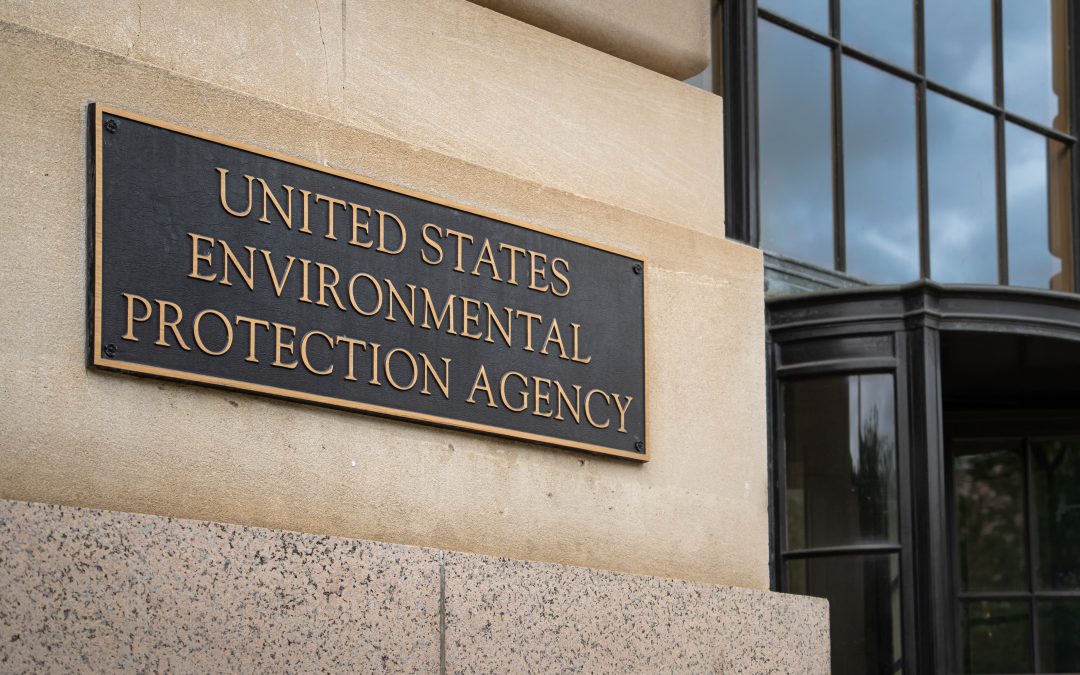
ARTBA, Allies Comment on Draft EPA Permit Guidance
What happened: ARTBA and its allies Dec. 27 commented on the Environmental Protection Agency (EPA) draft guidance…